
Starting a Small Haulage Company in the UK: Beginner's Guide
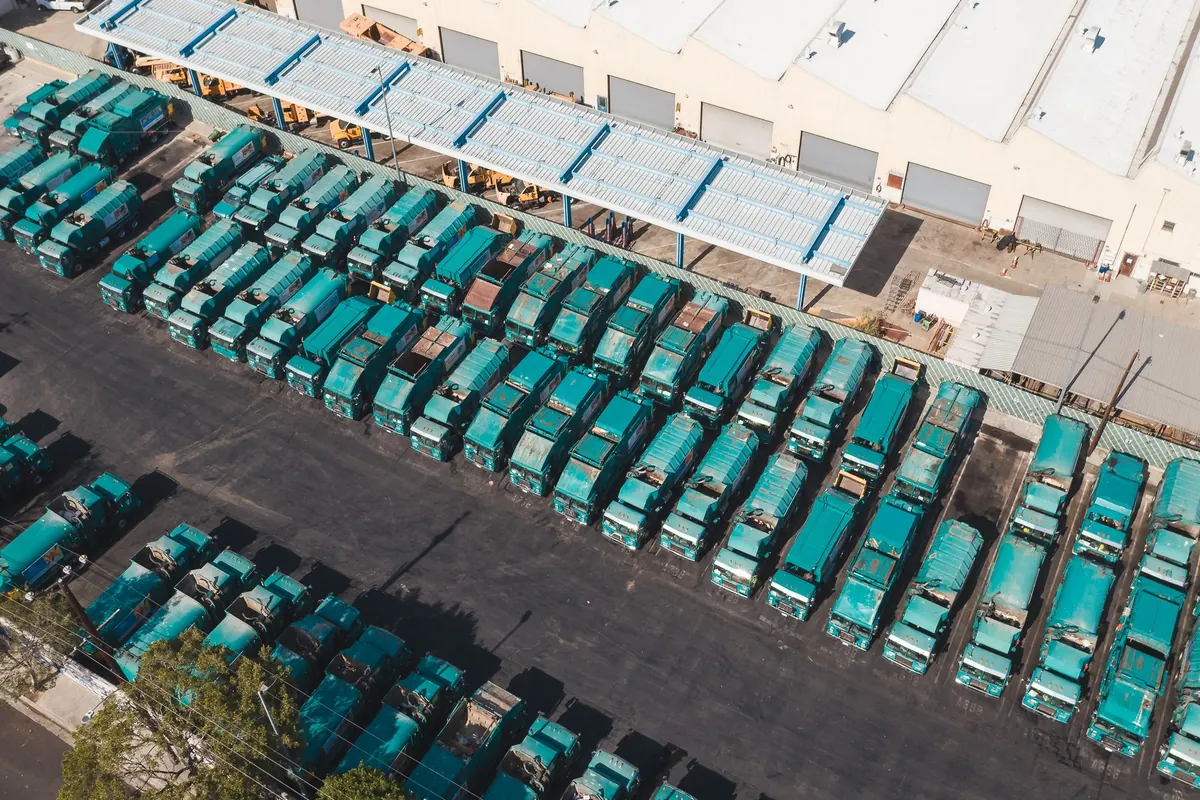
Haulage looks simple from the outside: buy a truck, find a load, get paid. In practice, the operators who survive their first two years are the ones who sorted the paperwork and the maths before spending a penny on a vehicle. What follows is the order most successful small hauliers do things in — licence, insurance, truck, costs, customers — and the traps that catch newcomers out.
Licence first, vehicle second
If you want to carry other people's goods for hire and reward in a vehicle over 3.5 tonnes gross vehicle weight, you need a standard national operator's licence from the Traffic Commissioner. A restricted licence only covers moving your own goods, so it is no use if haulage itself is the business. Vans under 3.5 tonnes sit outside the O-licence system, which is why plenty of people start there — but a 7.5-tonne rigid unlocks work a van simply cannot take on.
A standard licence application generally expects you to show:
- a qualified transport manager holding a CPC, named on the licence and genuinely involved in running the operation
- an operating centre you have permission to park at — a proper yard, not the street outside your house
- financial standing at the level the Traffic Commissioner sets for the first vehicle and for each additional one
- a maintenance plan with realistic safety inspection intervals you can actually keep to
- good repute, which means declaring any relevant convictions rather than hoping nobody notices
Don't overlook driver compliance
Drivers of goods vehicles over 3.5 tonnes normally need Driver CPC, and tachograph rules apply too. You will also need daily walkaround checks, defect reporting and a paper trail that stands up to a DVSA visit. Financial standing levels and licensing requirements change, so check gov.uk for current figures. Applying for or varying a licence is a legal process — if anything is unclear, pay a transport consultant or solicitor rather than guessing.
Insurance is not a car policy with a bigger van
Standard motor cover will not protect you while you are carrying someone else's freight for money. You need hire-and-reward motor insurance, goods in transit cover, public liability, and employer's liability if you take on anyone — including some family members who help out. Goods in transit limits matter: a builder's merchant moving plant or a furniture retailer moving a full house load will expect a sensible limit per load, and cheap cover with a low limit can end a relationship before it starts.
Use a broker who writes haulage business every week. Ask what happens if a load is stolen from a layby overnight, whether your trailer is covered when unhitched, and whether European work needs CMR cover. Get the answers in writing before you sign.
Choosing your first vehicle
Work backwards from the work you can actually win, not from what looks good in a yard. A curtainside 7.5-tonner with a tail lift handles palletised deliveries and household moves. A box van suits fragile or high-value goods. A flatbed or a truck with a mounted forklift suits building materials and agricultural work. One truck that does the common jobs well beats a bargain that only fits one niche.
Check emissions standards before you buy, because clean air zones and low-emission restrictions affect where you can run, and older vehicles can attract daily charges. Weigh leasing against buying outright: leasing gives predictable monthly costs and a newer truck, buying used is cheaper up front but you carry the maintenance risk. Whatever you choose, budget from day one for tyres, servicing and the unexpected.
Know your cost per mile before you quote
Most new operators fail because they price work at what the competition seems to charge, not at what the job costs them. Split your figures into standing costs and running costs.
- Standing costs: finance or lease payments, insurance, licence fees, yard rent, truck tax, accountancy, software.
- Running costs: fuel, tyres, maintenance, AdBlue, driver wages, overnight expenses, tolls and congestion charges.
- Add the hidden miles: empty running to collect a load, queuing time, and the return leg if it pays nothing.
- Divide by realistic annual mileage to get a cost per mile, then add your margin.
Never quote below that figure to win a job — you are simply buying work. Price waiting time, nights out, extra drops and anything unusual separately. Put your rates in writing, and review them when fuel or insurance moves. For tax, VAT and company structure decisions, take advice from an accountant who deals with transport businesses.
Finding your first customers
Almost nobody starts with a full order book. The quickest route to steady work is subcontracting for established hauliers and pallet networks, which fills your diary while you build direct customers. Freight exchanges can help cover a gap, but the rates are usually thin, so treat them as a top-up rather than a strategy.
Then go looking for your own traffic. Local builders' merchants, agricultural suppliers, manufacturers, furniture retailers, exhibition and event contractors, and removals firms all need regular movement of goods. Turn up in person with your insurance details, your licence number and a clear idea of what you can carry. Be specific: "I can do your Scottish deliveries every Tuesday" beats a general offer of haulage services.
The first year: what actually keeps you going
Reliability beats clever marketing. Answer the phone, arrive when you said you would, send proof of delivery the same day, and tell customers immediately if something goes wrong. That reputation is what turns one job into a weekly run.
Guard your cash. Invoice promptly, agree payment terms in writing before the first load, keep every POD, and chase late payers politely but persistently. Hold back a buffer for the months when a truck is off the road or a customer pays late, and do not stretch yourself across finance agreements you could not service during a quiet quarter. Keep your maintenance and compliance records tidy — they affect your Operator Compliance Risk Score and your insurance renewal. The first year is rarely profitable, but a well-run small haulage business built on accurate costing and repeat customers is one of the more durable ways to earn a living on the road.
Photo: RDNE Stock project / Pexels