
Rigid vs Articulated Lorries: Which Is Right for Your Haulage Business?
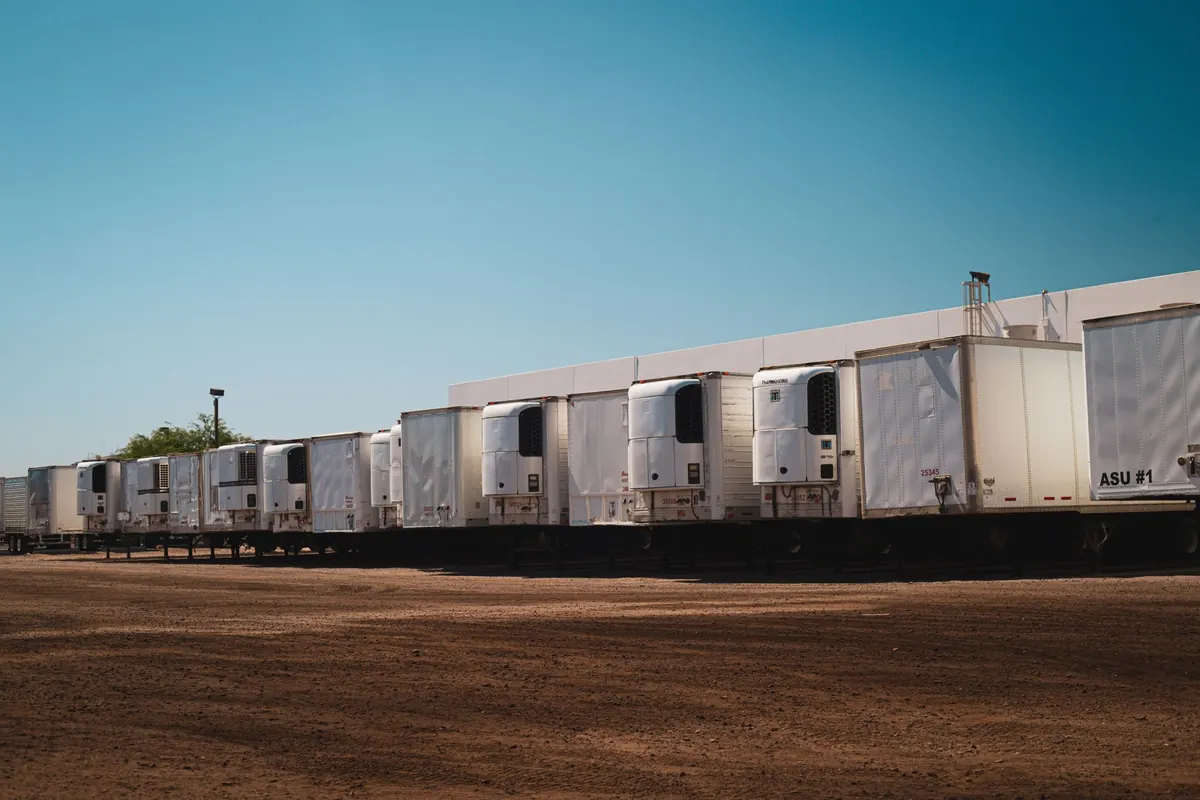
Choosing between a rigid and an articulated lorry is rarely about which one is better. It is about which one fits the work you already have, and the work you expect to be asked for next year. A rigid is a single vehicle: cab, chassis and body in one piece. An artic is two: a tractor unit and a semi-trailer that sits on the fifth wheel coupling. Both will move your freight, but not at the same cost, into the same places, or with the same driver behind the wheel.
Payload: the number that shapes everything else
Start with weight, because it drives every other decision. A 7.5-tonne rigid typically carries somewhere between 2.5 and 3.5 tonnes of payload once you allow for the body, fuel, driver and kit. A 26-tonne three-axle rigid with a curtainsider or flatbed usually lands around 15 to 16 tonnes. A 44-tonne articulated combination, with a three-axle tractor and a tri-axle trailer, can often carry close to 28 tonnes, and less if you are pulling a fridge body or carrying a heavy tail lift. Those figures shift with specification, so check the plate and the recorded tare weight of any vehicle you are serious about rather than trusting a brochure.
The practical question is tonnes per run, not tonnes per truck. If your regular loads sit at 12 tonnes, a 26-tonne rigid does the job and an artic wastes capacity on every trip. If they sit at 20 tonnes, the rigid cannot legally do it and you are looking at two vehicles or a sub-contractor.
Volume matters as much as weight. Packing materials, insulation, mattresses and empty containers all cube out long before they weigh out. When that happens, extra deck length is the only real answer.
Manoeuvrability, and where you can actually deliver
This is where the rigid wins most days. It is shorter, it steers, and it does not articulate behind you. A competent driver can place one in a tight yard, reverse into a narrow bay or work a town centre street without a trailer swinging into a place they cannot see. Rigids with rear-steer axles make that even easier.
Artics need room and respect. A yard that swallows a 26-tonne rigid can be a wrestling match for a combination around 16 metres long, and reversing one well is a genuine skill. On loose gravel or ice, a tractor unit can also lose grip and fold. Some urban roads, weight restrictions and tight industrial estates quietly rule out articulated access entirely.
Spend more time thinking about the last 200 metres of the journey than the first 200 miles. If your drops are farms, terraced high streets, schools and building sites, that tells you more than any payload table.
Licensing, drivers and the paperwork
In the UK, licence categories decide who can drive what. C1 covers vehicles between 3.5 and 7.5 tonnes. Category C covers rigids above 7.5 tonnes. Category C+E is needed for an articulated combination, and also for a rigid towing a trailer over 750kg. Driver CPC applies to both, and a driver holding only C cannot legally take out an artic.
Operator licensing matters too. Goods vehicles over 3.5 tonnes gross weight normally need an operator's licence. A restricted licence suits businesses carrying their own goods; carrying for hire or reward generally requires a standard national or international licence, and standard licences need a qualified transport manager. Rules and thresholds do change, so confirm the current position with DVSA or your transport consultant before committing to a purchase.
Then there is recruitment. C+E drivers are harder to find and usually command more money. Run rigids only and you recruit from a wider pool, and you can move drivers between 7.5-tonners and larger rigids as cover.
What each one costs to run
The purchase price is the easy part to compare; the running cost is where the argument gets settled. A rigid is one asset, one set of tyres, one MOT, one service schedule. An artic is a tractor plus one or more trailers. Trailers are comparatively cheap and last a long time, which is where articulated economics shine: one tractor can serve two or three trailers, so a driver can drop a loaded trailer on a bay and pull away with another.
Fuel per mile is higher for an artic. Fuel per tonne moved is usually lower. Tyres run to six or eight on a rigid against ten or twelve across a tractor and trailer. Maintenance and testing are split across two items with an artic, and insurance and parking space both tend to cost more.
Compare cost per tonne moved, not cost per mile. That is where the artic tends to win on full loads over distance, and the rigid tends to win on short, fragmented, multi-drop work.
When each one earns its keep
A rigid is usually the right answer when:
- You run multi-drop urban or residential deliveries with a tail lift.
- Access is tight: narrow yards, low canopies, awkward reversing.
- The work calls for a tipper, grab, crane or flatbed body.
- Typical loads stay comfortably under 15 tonnes.
- You want drivers to move between vans, 7.5-tonners and larger rigids.
- Recruiting C+E drivers locally is difficult or expensive.
An articulated lorry usually wins when:
- You trunk full loads between depots over long distances.
- One artic load replaces two rigid runs, saving a driver and a journey.
- Freight is bulky and light, so deck length matters more than weight.
- You want drop-and-swap: leave a trailer, take another, keep moving.
- You need maximum payload per driver hour.
Plenty of operations sit between the two. A drawbar trailer behind a rigid adds capacity, but it still needs a C+E driver and brings its own reversing quirks, so it is not a shortcut around the licensing question.
A practical way to decide
Work through the questions below in order. Most hauliers find the answer has already narrowed itself down by the third one.
- Weigh a typical week. Note the average load and the heaviest regular load, not the one-off you moved in March.
- Map your delivery points. Include the tightest yard, the narrowest street and the longest reverse. Visit the worst one with a tape measure if you are unsure.
- Count the drops. One drop of 24 tonnes is artic work. Twelve drops averaging two tonnes is rigid work.
- Check your drivers. What licences do they hold, and what does local recruitment look like?
- Run the numbers per tonne and per drop. Include fuel, tyres, servicing, insurance, parking and wages, not just the finance payment.
- Hire before you commit. A month with a hired artic on your real routes will tell you more than any spec sheet.
If the answer is still close, remember that many haulage businesses end up running both: rigids for the fiddly local work, a small artic fleet for the long full loads. Buy for the work you have in front of you, and keep an eye on the work customers keep asking you to quote for. The vehicle that fits your operation today is worth more than the one that might fit it in three years.
Photo: Tom Jackson / Pexels