
How AdBlue Works in Modern Lorries and What to Do When It Runs Out
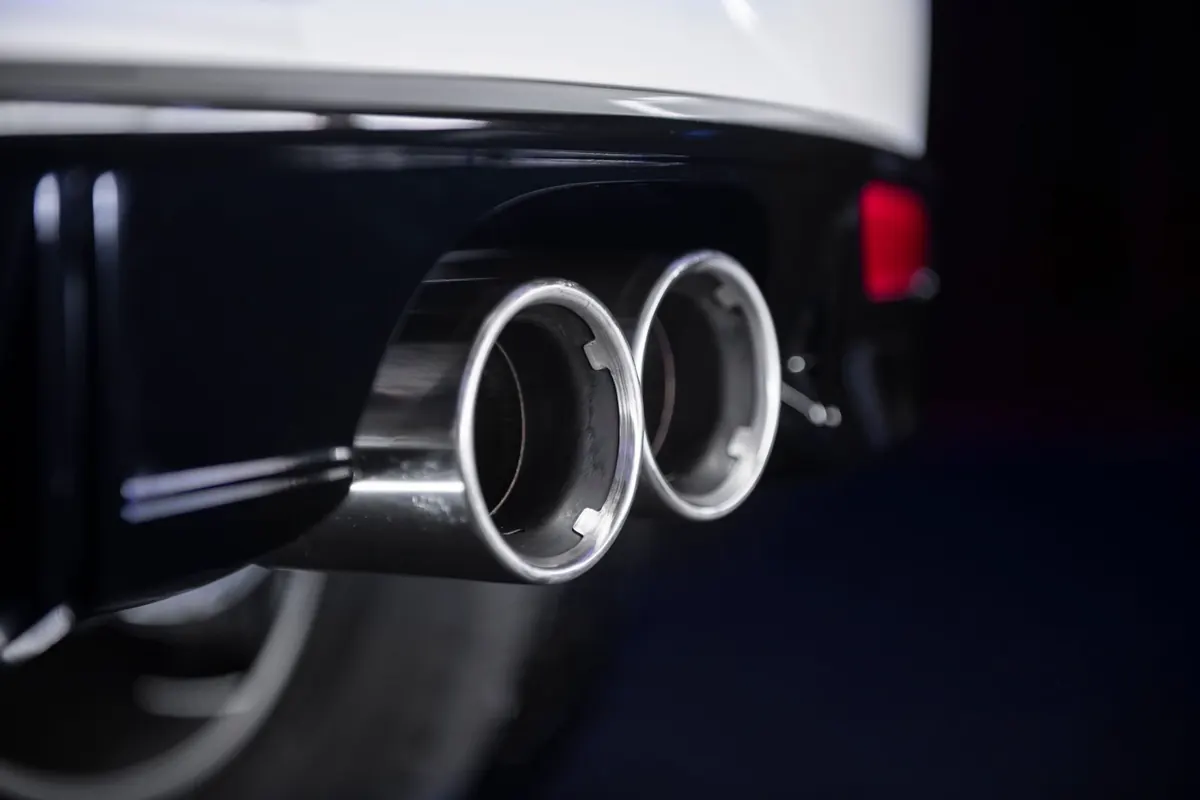
You can burn thousands of litres of diesel without ever giving the blue filler cap a second thought. Then the dash lights up, a countdown starts, and the whole day suddenly hinges on a tank of urea solution. AdBlue keeps your lorry inside Euro 6 emissions limits, and the engine management system takes it very seriously — seriously enough to leave you crawling along at walking pace if you ignore the warnings for long enough. Understanding the system, the lights and the refilling routine saves a lot of grief.
What AdBlue Actually Is
AdBlue is a brand name for diesel exhaust fluid: a solution of 32.5% high-purity urea in deionised water, manufactured to the ISO 22241 standard. It is not a fuel additive and it never enters the combustion chamber. It is sprayed into the hot exhaust gas upstream of the SCR (selective catalytic reduction) catalyst, where it breaks down into ammonia. That ammonia reacts with nitrogen oxides — the NOx formed in a hot, lean-burning diesel cylinder — and converts them into nitrogen and water vapour.
Euro 6 engines run hot and lean because that is how you get good fuel economy from a diesel. The trade-off is more NOx, and the SCR system is how manufacturers deal with it. No AdBlue means no legal NOx control, which is exactly why the ECU is programmed to be so unforgiving when the tank runs dry.
How the System Works, Stage by Stage
- Tank and sensors. Level, temperature and — on many newer trucks — a concentration sensor that flags diluted or contaminated fluid.
- Metering unit and pump. Draws fluid from the tank and pressurises it for dosing, usually mounted away from the worst of the heat.
- Dosing injector. Fitted into the exhaust pipe ahead of the catalyst, it sprays a fine mist into the gas stream.
- NOx sensors. One upstream and one downstream of the catalyst, feeding back to the ECU so it can trim dosing.
Dosing is matched to exhaust temperature and engine load, not to how much diesel you are burning. On a cold start, or after a long idle, the exhaust may not be hot enough for the catalyst to work, so dosing is reduced or paused. That is why a truck that spends half its life idling can use noticeably less AdBlue than one on constant motorway work. AdBlue freezes at roughly -11°C, but tanks, lines and metering units are heated, so a frozen tank is not a fault in itself. A very cold morning can still throw a temporary warning while the system thaws out.
Reading the Warnings Before They Read You
Symbols and wording vary between manufacturers, and so do the distances, but the sequence is remarkably consistent across makes.
- An amber AdBlue warning lamp appears, usually with a message showing remaining range.
- The message becomes more insistent as the countdown shortens.
- The engine derates — power and torque are progressively limited, so hills start to hurt.
- Limp mode. Speed is capped hard, and on many vehicles the engine will refuse to restart once you switch it off.
Treat any AdBlue warning as a "fuel up at the next opportunity" instruction, not a "next week" one. The countdown is not a suggestion.
Refilling Without Making a Mess
- Park on level ground, engine off, key out of the ignition.
- Check the fluid before you pour: sealed container, ISO 22241 marking, in date, and not stored in direct sunlight.
- Use dedicated equipment — the pump nozzle at a filling station, or the spout built into a sealed can. Never a funnel that has held diesel.
- Fill to the pump's auto-stop or a measured amount from a can. Do not brim it; leave room for expansion.
- Wipe up spills with a damp cloth and rinse the area with water. AdBlue dries into a white crust that plays havoc with contacts and paint.
- Refit the blue cap properly, then drive. The countdown normally clears within a few minutes once the level sensor reads enough fluid.
Tank sizes differ widely by model and application, and consumption is nowhere near as high as diesel — a rough rule of thumb is one litre of AdBlue for every twenty to thirty litres of fuel. On long-haul work, check the level at every other fuel stop and top up rather than waiting for the light. Keep a sealed ten-litre can in the locker for emergencies, but rotate it: opened fluid has a shelf life, and sunlight and heat degrade it.
Two mistakes cause most of the damage. The first is pouring AdBlue into the diesel tank, or diesel into the AdBlue tank — both mean a drain and a clean, and the second one can cost you a catalyst. The second is topping up with water, agricultural urea or anything else that is not certified diesel exhaust fluid. Contaminants and metal ions poison the SCR catalyst, and replacing one is an expensive day you will not forget.
The Real Cost of Limp Mode
Some operators run the tank deliberately low to save a few pounds. It is a false economy. Hitting zero on a loaded run leaves you derated, and if the vehicle is in the no-restart state, a can of AdBlue or a call-out is the only way forward — assuming the services you stopped at even stock it. The cost of one lost day dwarfs anything you saved by delaying a top-up.
Once you have refilled, behaviour varies. Many trucks clear the warning themselves after a short drive cycle; some need the ignition cycled a few times; a few need a diagnostic reset at a workshop. If the message is still there after a proper fill and a twenty-minute run, get it looked at rather than assuming it will sort itself out.
Common AdBlue Faults Worth Knowing
A "poor AdBlue quality" message usually means dilution or contamination, though a failing sensor can imitate it. Crystallised deposits around the dosing injector restrict spray and can trigger dosing faults. Failed NOx sensors and metering unit problems are common enough that most workshops see them regularly. A level sensor that reads wrong after a fill — showing half a tank when you have just put twenty litres in — is another one worth logging.
In every case, note the fault code, keep your receipts for the fluid you used, and get it diagnosed. Clearing a warning without fixing the cause will simply bring it back, often at a less convenient moment.
A Simple Routine That Keeps You Moving
Check the AdBlue level whenever you check the diesel, top up before the countdown starts, and buy your fluid from busy outlets that turn stock over rather than a dusty can that has sat in a yard for two years. Store it out of sunlight and away from extremes of temperature, label bulk containers clearly so nobody grabs the wrong one, and never let a well-meaning colleague "top it up with a bit of water".
One last point: disabling or emulating the SCR system is illegal for road use in the UK and across Europe, and it will be picked up at an annual test or a roadside check. Regulations and enforcement differ between countries, so speak to your transport authority or a compliance specialist before agreeing to any modification. Looking after the system properly is cheaper, simpler and far less stressful than working around it.
Photo: Rahul Soni / Pexels